Trees do not fail overnight. Long before a limb tears free in a windstorm or a trunk hollows from decay, the tree sends quiet signals. Leaves flag a few weeks early. Bark patterns shift. Small piles of frass appear on the mulch. A certified arborist reads those signals, pairs them with site history and species tendencies, then frames the right response. A good consultation does not sell a product. It builds a plan that respects biology, safety, and budget, and it explains the trade-offs clearly.
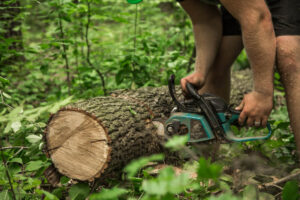
What a certified arborist actually does on an insect and disease call
Most homeowners expect a quick look and a prescription. The reality is slower and more forensic. I make a pass across the entire property first. Pests and pathogens follow patterns, so the sick tree is only one clue. I look at the stand as a whole, neighboring properties, and recent changes. A new patio over a root zone can matter as much as aphids on the leaves. I ask when the sprinkler timer was last adjusted, whether fertilizers were applied, and if any trenching occurred. The tree’s recent past often unlocks the problem.
On the tree, I start wide and move in. Crown density, tip extension, and leaf size tell me about vigor. From there I check bark texture, branch attachments, and any canker margins. I bring a hand lens for insect cast skins and fungal fruiting bodies. For structural concerns I use a sounding mallet to detect hollows, and where justified I may recommend a resistograph reading or sonic tomography. If there is soil saturation or suspected root disease, an air spade can expose flare roots with minimal damage. When a lab analysis will change the decision, I collect samples according to protocol so results are worth the wait.
A consultation is not only diagnostics. It is also risk and site management. I make note of targets under the tree, line clearance, emergency access routes, and how the tree fits the landscape goals. That context shapes every recommendation that follows.
Symptoms, signs, and the danger of guessing
Two trees can show the same symptom for different reasons. Yellowing leaves may point to chlorosis from high pH, root compaction from construction, or early defoliation from a leaf spot disease. Bark bleeding could be a borer attack, or it might result from sunscald or mechanical damage from a string trimmer. A certified arborist separates symptoms, which the tree shows, from signs, which the pest or pathogen produces. Powdery mildew leaves that talc-like coating. Armillaria presents with white mycelial fans under the bark and honey-colored mushrooms in fall. Bark beetles leave pinpoint exit holes and dry, sawdust-like frass. That distinction matters because the treatment window and method depend on which agent is at work.
I have seen more trees harmed by well-meant overwatering and fertilizer spikes than by many insects. Aphids can look apocalyptic in May, yet predators often balance them by June. On the other hand, emerald ash borer moves fast enough that waiting through a season can close the door on saving a mature ash. A thoughtful consultation will put each problem on a timeline: urgent action, seasonal action, or monitor.
How arborists make a diagnosis without wasting your money
People sometimes worry that sampling is a stall tactic. Done right, testing is targeted. Leaf tissue analysis makes sense if we suspect a nutrient imbalance. Lab culturing or PCR can confirm Phytophthora or identify a specific canker pathogen when fungicide choice is at stake. Bark and wood cores are justified when the structural integrity of a large tree over a high-use area is uncertain. In many other cases, the combination of species knowledge, pattern recognition, and site history is enough to proceed without a lab.
Here is what to expect from a disciplined diagnostic process during a Certified Arborist Consultation:
- Define the client’s goals and tolerances, including appetite for risk, chemical use, and budget. Document site history, irrigation patterns, grading changes, and nearby construction or utility work. Inspect the tree from crown to roots, noting symptoms, signs, and structural defects, and compare with unaffected trees. Narrow differential causes, decide if lab sampling will change the plan, and collect quality samples when justified. Present options with clear timelines, expected outcomes, and costs, then schedule follow-up monitoring.
The difference between a guess and a diagnosis is a record that holds up over time. I always leave notes that explain what we ruled out and why.
Common culprits and how they really play out
Not every problem deserves treatment, and not every pest is an enemy. Below are frequent issues I encounter, along with the decisions that are hard to see without experience.
Elm and Dutch elm disease. Dutch elm disease moves inside the vascular system, often carried by elm bark beetles or through root grafts. The early flagging can look like drought stress. Timing is everything here. Sanitation pruning of infected limbs must cut well below the stain line, and injections are most effective as preventives or very early in infection. If the pathogen is established or root graft transmission is likely, dangerous tree assessment and removal becomes the responsible route. I have arranged removals within a week when target areas included traffic and play spaces.
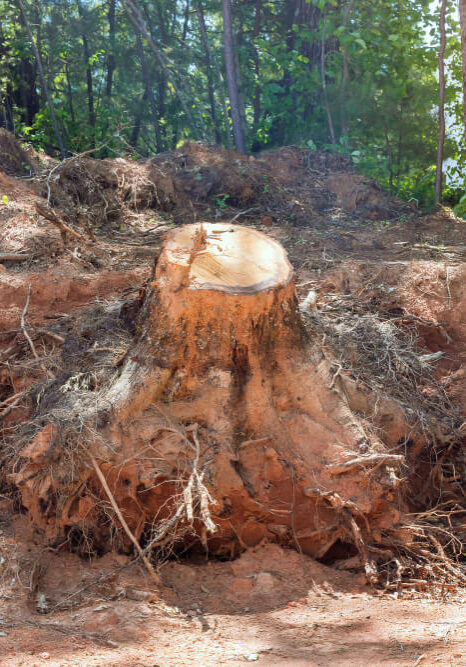
Ash and emerald ash borer. The telltale D-shaped exit holes and bark flecking from woodpeckers are often the first field signs. If canopy loss is under roughly 30 percent and timing aligns, a well-planned systemic treatment can preserve high-value trees. After that threshold, I prepare owners for removal and stump removal & grinding. The stump piece matters because resprouts can fuel a lingering pest presence and look unsightly. On several campuses, a proactive plan that combined strategic removals, crown care for retained ashes, and staged replanting smoothed a difficult transition.
Pines and bark beetles or Dothistroma needle blight. Pines under drought stress invite ips or western pine beetle, while wetter seasons bring needle blights. Pitch tubes and boring dust offer confirmation for beetles, but I still look for root damage or water issues that set the stage. Thinning dense stands, watering deeply but infrequently, and removing infested trees promptly reduces pressure on the survivors. For Dothistroma, spacing and crown thinning to increase airflow are as important as any spray.
Fruit trees and fire blight. The shepherd’s crook of blighted shoots is unmistakable once you have seen it. I schedule pruning during dry weather, sterilize tools, and make cuts well into healthy wood. Nitrogen heavy feeding makes the next outbreak worse, so I shift fertility and irrigation. On mature pears crowding driveways, we sometimes combine tree pruning & crown shaping with light cable supports to manage leverage on long leaders that could snap in a storm.
Maples and anthracnose. Spring anthracnose can make a maple look terminal, yet the tree often regrows a second flush in early summer. If the history repeats every year, I look at canopy density, irrigation pattern, and nearby plant diversity before reaching for fungicides. Homeowners like to hear that patience is not neglect. Cleaning leaf litter, opening the crown, and strengthening root health can solve most anthracnose cycles.
Oaks and root disease. Armillaria and Phytophthora both claim oaks, but they behave differently. Armillaria tends to ramp up after grading and chronic wet feet. When I expose the root flare with an air spade and find girdling roots or poor drainage, the solution begins with physics, not chemistry. I have saved valuable oaks by improving grade and airflow, then monitoring. Conversely, where decay collars the base and the tree leans over a target, I recommend dangerous tree assessment and removal, even if the canopy still looks green.
Scale insects, aphids, and mites. These sap feeders attract attention because of honeydew and soot on cars and patio furniture. Predators, water management, and selective pruning usually control them. Systemic insecticides have their place, especially on species like tuliptree or linden near high-use zones, but I set ecological boundaries and timing to avoid harm to pollinators.
Integrating treatments into a coherent plan
The best plans are layered. Cultural, mechanical, biological, and chemical tools each play a role, and the order matters. I aim to reduce the baseline stress first. If irrigation is shallow and daily, roots sit near the surface, which invites heat and drought damage. Deep, infrequent water with proper mulch changes the trajectory of several diseases and insect issues in one move.
Sanitation pruning is next. Removing diseased wood reduces inoculum. When I prune, I keep structural integrity in view. It is easy to chase every spotted leaf and forget the branch attachments that cause failure later. Tree pruning & crown shaping done with the next five years in mind prevents wounds that diseases love. When trees have narrow forks or long, heavy limbs over driveways, tree cable and bracing can buy time while the tree recovers vigor or while we phase in replacements.
Chemical controls fit when there is a narrow window or a high-value specimen at risk. I explain the ingredients, targets, and non-target implications in plain language. For example, trunk injections avoid drift but require wounding, and their timing around sap flow is exacting. Foliar sprays cover new growth but may miss pests under bark plates. Soil drenches can be effective on borers and scales, yet may not suit sites near water or within pollinator habitats. A certified arborist should present these trade-offs and document why one path was chosen.
On properties that face wildfire risk, FireSmart Tree Services align with plant health. Thinning, pruning to raise crowns, and cleaning ladder fuels reduce both disease pressure from stagnant air and ignition risk. I have worked with owners to convert dense, unthinned clusters of conifers into healthier, spaced groups that handle snow loads and drought better, all while meeting defensible space guidelines.
Safety and liability: when treatment stops and removal starts
There is a point when saving a tree costs more than replacing it, or when the risk to people and structures outweighs the benefits of keeping it. That decision looks different in a back meadow than over a bedroom. The ISA TRAQ framework helps put numbers to likelihood of failure and consequences. I communicate that rating and walk the line between optimism and realism.
Emergency tree services come into play when disease has already weakened wood. A storm can snap a previously marginal leader. If we have had a consultation on file, the emergency team arrives with context, saving time and reducing surprises. After a removal, stump removal & grinding is not just a cosmetic finish. It eliminates trip hazards, curbs pest habitat, and opens the spot for replanting. When replanting, I steer clients toward species diversity to avoid repeating the same vulnerability across the property.
Tree removal services are not the opposite of caring for trees. They are part of responsible management. Removing a failed cherry leaning toward a sidewalk and replacing it with a small, resistant cultivar can improve safety and reduce future maintenance.
How much it costs, and how to think about value
Consultation fees vary by region and scope. For a single-tree insect or disease assessment, expect a range that reflects travel, time on site, and whether sampling is needed. When lab diagnostics are part of the plan, the lab fee is additional and should be quoted up front. Treatment costs depend on tree size, product choice, and the number of visits. A large trunk injection on a mature ash may run a few hundred dollars and repeat every one to three years, while sanitation pruning in winter could be a half-day crew with equipment. Tree removal services scale with tree size, access, and hazards like nearby power lines. Stump grinding is often priced by diameter at grade.
Value hides in avoided costs. A methodical consultation that catches a root crown issue early can prevent sidewalk heave and a later, urgent removal. A correct diagnosis avoids chasing the wrong pest with the wrong tool. And a risk conversation can steer resources toward the right trees, the ones that bring the most shade, privacy, or habitat benefits.
What you can do before the arborist arrives
Preparation improves outcomes. The more context I have, the faster I can focus on the root cause. Photographs from earlier seasons, irrigation schedules, and any landscape changes can all matter.
- Gather site history: dates of pruning, fertilization, irrigation changes, construction, and utility work. Photograph symptoms over time, including close-ups and whole-tree shots, and note dates. Check water patterns: duration and frequency on each zone, and whether emitters reach the critical root zone. Identify targets under the canopy, such as play areas, cars, and public paths, and share your tolerance for risk. List your goals, from preserving shade to reducing debris, and preferences about chemical use.
When owners bring this information, the consultation shifts from guesswork to decision-making. We spend less time on maybes and more on trade-offs that fit your property.
Cables, braces, and the gray areas between safe and unsafe
Disease and insects often reveal structural problems. Codominant stems with included bark become a serious concern when decay enters the junction. In these gray areas, tree cable and bracing can be the right answer. Properly installed static or dynamic cables reduce movement and redistribute load. Braces can lock cracked unions. I pair support systems with pruning to reduce lever arms, and I schedule annual inspections because support hardware is not set-and-forget.
Not every tree is a candidate for support. Severe decay, extensive root loss, or poor species response can make hardware a false promise. In those cases, dangerous tree assessment and removal, perhaps phased to coordinate with replanting, is the honest path.
Timing and seasonality matter more than most people think
Many treatments succeed or fail based on timing. Fungicides placed ahead of infection protect, while the same product after infection may do little. Systemic insecticides tie to the tree’s uptake pattern and the pest’s life cycle. Pruning during dry, cool weather reduces pathogen spread for diseases like fire blight and oak wilt. Winter work often allows better access for equipment and lower disease pressure, and it is an opportunity to handle structural pruning without the distraction of leaves.
Monitoring follows a rhythm. I set calendars for revisit windows: early spring bud push, late spring for foliar disease checks, midsummer for borer and scale activity, and fall for root zone assessment. On high-value campuses and parks, I make mid-season adjustments based on weather. A wet, cool spring nudges us toward leaf disease vigilance. A dry, hot summer raises bark beetle alerts. This cadence reduces surprises and aligns Emergency Tree Services planning with reality.
https://edwinbqzs079.raidersfanteamshop.com/certified-arborist-consultation-and-tree-inventory-reportsIntegrating FireSmart practices without losing the landscape you love
FireSmart Tree Services are not just for rural properties. Urban edges and suburban neighborhoods benefit from spacing, ladder fuel reduction, and species choices that break up continuity of burn. There is a myth that FireSmart equals moonscape. In practice, we thin dense clusters, raise crowns over understory vegetation, and choose mulch and plant materials that perform better under ember showers. At the same time, these moves improve airflow through the canopy, which in turn reduces foliar disease pressure and dries out leaves after summer rains. I have worked on properties where modest spacing changes and removal of a handful of stressed conifers reduced both fire risk and bark beetle pressure within a single season.
Replacement, diversification, and how to plant for fewer problems
Once a tree is removed, the impulse is to replant the same species. Nostalgia can be strong. From a plant health perspective, diversifying species and genera spreads risk. Neighborhoods that leaned heavily on ash, elm, or red maple felt the sting when a pest or disease found its host. I aim for no single species making up more than 10 to 15 percent of a property’s canopy. I also match species to site: soil pH, heat load, space for roots, and water availability. Planting correctly matters as much as choosing well. Setting the root flare at grade, correcting girdling roots, and watering properly through the first two to three years do more to prevent disease than most sprays later.
What a good report and follow-up look like
After the visit, you should receive a written summary that includes observations, likely causes, any lab submissions, and clear recommendations with timelines. Photographs help, and maps or marked aerials are even better on larger properties. The plan should identify whether the next step is monitoring, treatment, tree pruning & crown shaping, tree cable and bracing, or tree removal services with stump removal & grinding. When risk is high, the report should call that out plainly and note whether Emergency Tree Services are on standby.
Follow-up is part of the value. A phone call after lab results arrive, a quick check-in after a heavy storm, or a scheduled mid-season revisit keeps the plan responsive. Trees are living systems. They do not read the report. We adjust based on what they show us.
The judgment calls you pay for
People sometimes ask what makes a certified arborist different from a general landscaper or a technician who can apply a product. Training and field time build a habit of weighing multiple truths at once. A pesticide can solve a problem and create another. Pruning can help a tree breathe and weaken it if done at the wrong time. Removing a hazardous tree can be both the safest and the saddest choice. The job is to assemble a story from scraps of evidence and then to tell it straight, with options and consequences.
I think of a line of Siberian elms I managed along an older street. They were poor species choices to begin with, fast-growing and brittle. When Dutch elm disease arrived in the area, we split the population into three groups. The healthiest, most favorably located trees received proactive care and monitoring. The middling ones got modest pruning and were scheduled for replacement over five years. The worst, those over crosswalks with visible trunk decay, came down under a dangerous tree assessment and removal order within weeks. The plan cost money, but it prevented injuries, preserved shade where it mattered, and set the street up with a better mix of species. That balance is the craft.
When to call, and what you will get out of it
If your tree is dropping leaves out of season, oozing sap, showing sudden dieback, or leaning more than it did last year, call for a Certified Arborist Consultation. If you manage a property with many trees, schedule a baseline assessment before problems announce themselves. The consultation will not always end with a spray or a saw. Sometimes the answer is as simple as moving a sprinkler head and cleaning out a mulch volcano. Other times, it is a complex plan that uses tree pruning & crown shaping, targeted treatments, and, when warranted, tree removal services. Either way, you will come away with a clearer picture of what your trees are facing and a path that matches your priorities.
Trees pay us back slowly: shade, cooled air, privacy, habitat, resale value. Protecting that payback starts with reading the early hints that insects and diseases provide. A careful consultation turns those hints into action without overreaching. That is where the expertise shows, in the restraint as much as in the fix.
Ace Tree Services Ltd.
Name: Ace Tree Services Ltd.Address: 4656 Wallace Hill Road, Kelowna, BC
Postal code: V1W 4C2
Phone: 250-212-9593
Website: https://acetree.ca/
Hours:
Monday: 7:00 AM - 5:00 PM
Tuesday: 7:00 AM - 5:00 PM
Wednesday: 7:00 AM - 5:00 PM
Thursday: 7:00 AM - 5:00 PM
Friday: 7:00 AM - 5:00 PM
Saturday: 7:00 AM - 5:00 PM
Sunday: Closed
Open-location code (plus code): RHF8+8G Kelowna, British Columbia, Canada
Map/listing URL: https://www.google.com/maps/place/Ace+Tree+Services+Ltd./@49.8232606,-119.4337283,659m/data=!3m2!1e3!4b1!4m6!3m5!1s0x537d8b1d074815c5:0x450b88afa7a41435!8m2!3d49.8232606!4d-119.4337283!16s%2Fg%2F11ydkpnh22
Embed iframe:
"@context": "https://schema.org", "@type": "HomeAndConstructionBusiness", "name": "Ace Tree Services Ltd.", "url": "https://acetree.ca/", "telephone": "250-212-9593", "address": "@type": "PostalAddress", "streetAddress": "4656 Wallace Hill Road", "addressLocality": "Kelowna", "addressRegion": "BC", "addressCountry": "CA" , "openingHoursSpecification": [ "@type": "OpeningHoursSpecification", "dayOfWeek": "https://schema.org/Monday", "opens": "07:00", "closes": "17:00" , "@type": "OpeningHoursSpecification", "dayOfWeek": "https://schema.org/Tuesday", "opens": "07:00", "closes": "17:00" , "@type": "OpeningHoursSpecification", "dayOfWeek": "https://schema.org/Wednesday", "opens": "07:00", "closes": "17:00" , "@type": "OpeningHoursSpecification", "dayOfWeek": "https://schema.org/Thursday", "opens": "07:00", "closes": "17:00" , "@type": "OpeningHoursSpecification", "dayOfWeek": "https://schema.org/Friday", "opens": "07:00", "closes": "17:00" ], "geo": "@type": "GeoCoordinates", "latitude": 49.8232606, "longitude": -119.4337283 , "hasMap": "https://www.google.com/maps/place/Ace+Tree+Services+Ltd./@49.8232606,-119.4337283,659m/data=!3m2!1e3!4b1!4m6!3m5!1s0x537d8b1d074815c5:0x450b88afa7a41435!8m2!3d49.8232606!4d-119.4337283!16s%2Fg%2F11ydkpnh22"
Ace Tree Services Ltd. provides professional tree removal, pruning, stump grinding, emergency response, and arborist consultations for properties in Kelowna and across the Okanagan Valley.
The company works with homes, commercial properties, and municipal settings where tree work needs to be planned carefully around buildings, fences, driveways, landscaping, and other site constraints.
Based in Kelowna, the team is positioned to help nearby neighbourhoods and surrounding Okanagan communities with routine tree care and time-sensitive storm cleanup.
Customers looking for careful tree work often want a crew with certified arborist training, insurance, and a methodical approach to higher-risk removals.
Services also include dangerous tree assessment, cabling and bracing, and wildfire risk reduction tree work for properties that need longer-term planning.
To request a quote or discuss tree care options, call 250-212-9593 or visit https://acetree.ca/.
A public map listing is available to help customers confirm the business location and get directions before a site visit or estimate.
For Kelowna property owners who need pruning, removals, or emergency tree help, a local tree service can make it easier to schedule site-specific recommendations and cleanup.
Popular Questions About Ace Tree Services Ltd.
What services does Ace Tree Services Ltd. provide?Ace Tree Services Ltd. lists tree removal, stump removal and grinding, tree pruning and crown shaping, emergency tree service, arborist consultation, dangerous tree assessment and removal, cabling and bracing, and wildfire risk reduction tree work.
Who does Ace Tree Services Ltd. serve?
The company describes its work as serving homes, businesses, and municipalities in Kelowna and across the Okanagan Valley.
Is emergency tree help available?
Yes. Emergency service is listed for downed or uprooted trees, dangerous tree assessment, stabilization work, and branch cleanup. If a tree is near power lines, the safest first step is to stay clear and contact the utility provider before any tree work begins.
Do I always need a permit to remove a tree?
Not always. Permit requirements can depend on where the tree is located and whether it is near a creek, lake, steep slope, or another protected area. It is best to check local rules for the specific property before removal work starts.
How deep does stump grinding usually go?
Standard stump grinding is typically described as going about 6 to 12 inches below ground level, which is often enough for grass or surface landscaping. Deeper grinding may be possible when site plans call for it.
How much of a tree can be safely removed at one time?
That depends on the species, age, health, and structure of the tree. In practice, good pruning is usually about removing the right limbs for health, clearance, and structure rather than chasing a fixed percentage.
What are common signs that a tree may be dangerous?
Large dead limbs, visible cracks, a new lean, root damage, canopy dieback, or storm-related damage can all be warning signs. Trees near structures deserve extra attention when any of those issues appear.
What is cabling and bracing in tree care?
Cabling and bracing are support systems used to reduce the risk of failure in trees with structural weaknesses that may still be worth preserving. They are generally used to add support, not to replace good assessment and ongoing maintenance.
How do I contact Ace Tree Services Ltd.?
Call 250-212-9593.Website: https://acetree.ca/.
Landmarks Near Kelowna, BC
Downtown KelownaThe downtown core is a practical reference point for lakefront neighbourhoods, mixed-use streets, and central residential properties. If your property is near downtown, tree pruning, removals, and cleanup can be planned around tighter access and nearby structures.
Knox Mountain Park
This well-known park north of downtown is a recognizable landmark for nearby homes and hillside properties. If you are close to this area, ask about tree assessment, trimming, or removal work suited to sloped sites.
Mission Creek Greenway
The greenway runs through several parts of Kelowna and is a useful landmark for nearby residential areas. If your property borders or sits near this corridor, site-specific tree planning is especially important.
Pandosy Village
Pandosy is one of Kelowna’s most recognizable neighbourhoods and a common reference point for south-central properties. If you are nearby, request help for pruning, removals, or storm cleanup around homes and small commercial sites.
Rutland
Rutland is a major east Kelowna neighbourhood with a mix of residential and local commercial properties. If you are located in or near Rutland, tree work can be scheduled for both routine maintenance and urgent situations.
Landmark District
This central business-focused area is a practical landmark for offices, service properties, and nearby residential streets. If your site is near the district, ask about careful tree work around parking, access lanes, and built-up lots.
Kelowna’s North End
The North End sits on the edge of downtown and is a useful reference for nearby homes, industrial sites, and commercial properties. If you are in this part of the city, request tree care based on the layout and constraints of the lot.
Airport District
The Airport District is a recognizable north Kelowna reference point for surrounding properties and access routes. If you are in this area, ask about tree services for residential acreage, commercial sites, or roadside cleanup needs.
Glenmore & Dilworth
These established Kelowna neighbourhoods are useful landmarks for central and north-central service calls. If your property is nearby, pruning and removal work can be tailored to mature trees and established landscapes.
Highway 97 Corridor
Highway 97 is one of the city’s main travel routes and a common way to describe location within Kelowna. If your home or property is just off the corridor, a clear landmark reference can help speed up quote scheduling and site planning.